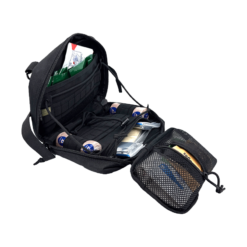
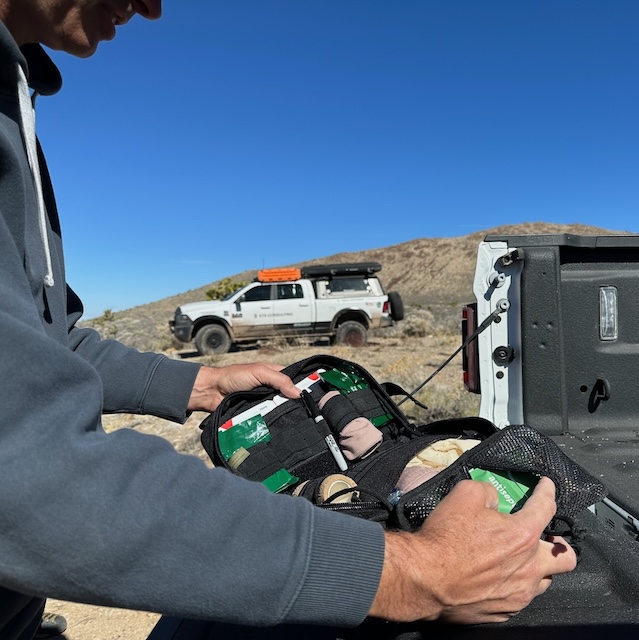
If you’ve ever driven long distances, you’ve seen it: a twisted car on the shoulder, flashing hazards, somebody pacing with their phone to their ear while the driver bleeds into the upholstery. Here’s the part nobody likes to admit—911 isn’t teleportation. Depending on where you are, “help” could be 15, 30, even 60 minutes away. If you’re the unlucky one in the ditch, that’s not good news for your circulatory system.
This is where preparation stops being optional. A generic “Band-Aids and hope” first aid kit tossed under your seat isn’t going to save you when there’s arterial spray decorating your dashboard. You need gear that actually manages trauma—the kind of injuries real people sustain on highways, backroads, and off-road trails.
The Brutal Reality of Roadway Injuries
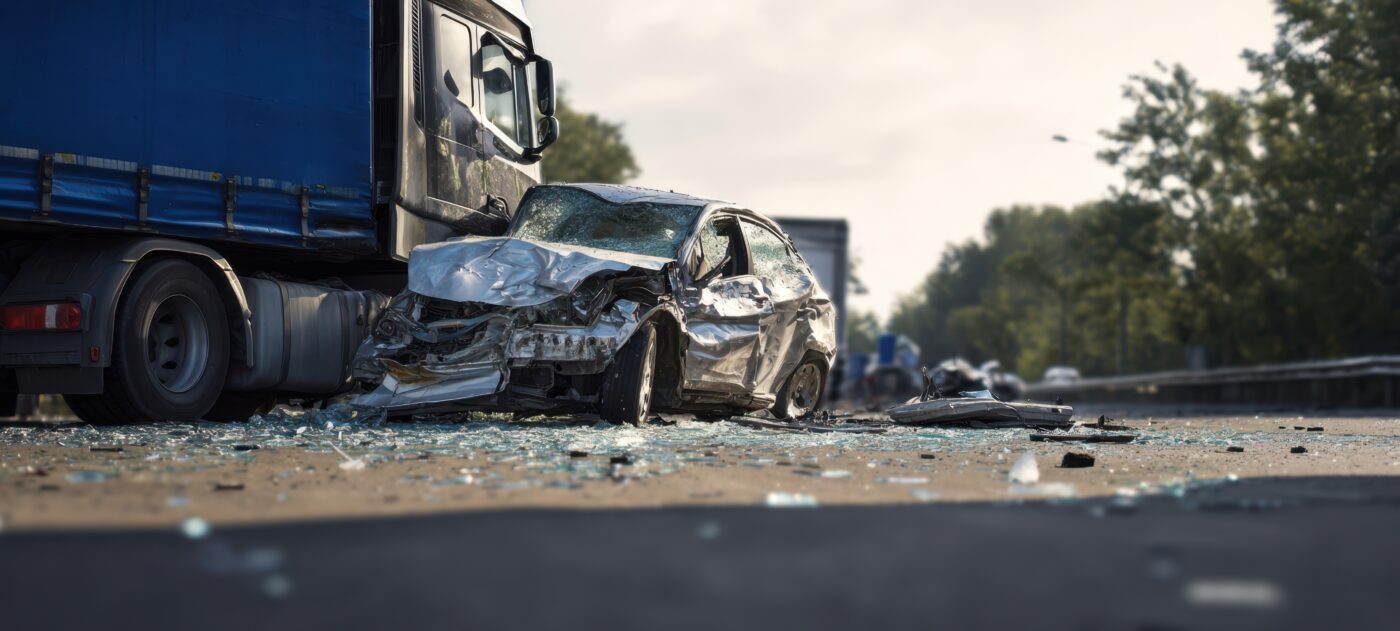
Vehicle crashes create some of the nastiest injuries you’ll ever see outside of a war zone. We’re talking:
- Bleeding you can’t ignore (lacerations, amputations, punctures)
- Breathing problems (collapsed lungs, blocked airways)
- Blunt force trauma (broken bones, smashed faces, brain rattles)
- Environmental exposure (hypothermia while waiting for help, especially at night or in winter)
If you think your eight-pack of drugstore gauze pads and expired ointment are up to the task, let’s just say you might as well use them to wave down the ambulance instead.
What Makes a Vehicle Trauma Kit Different
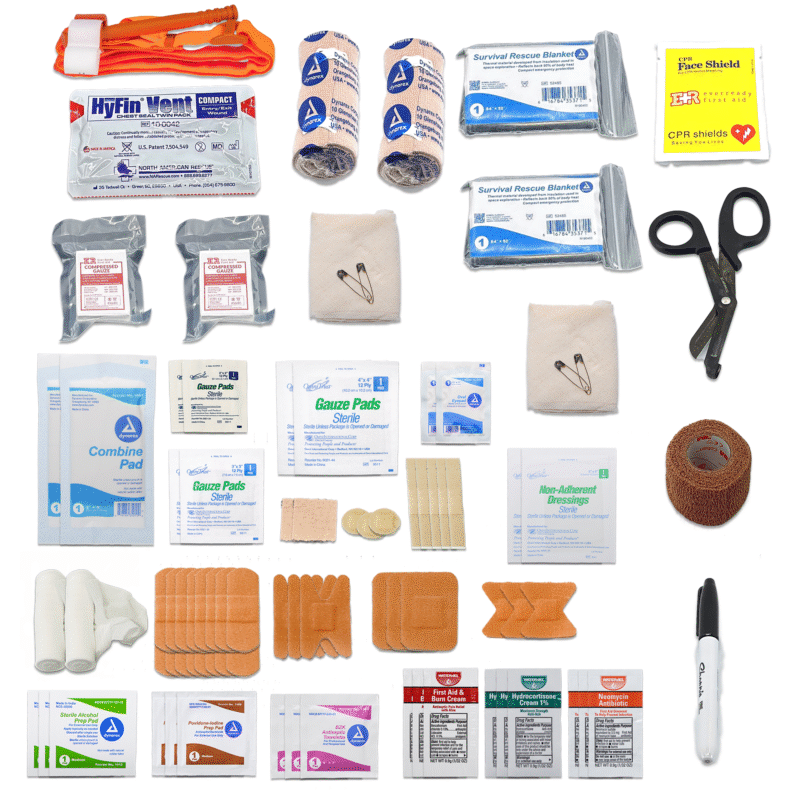
The Vehicle Trauma Kit (VTK) isn’t about comfort. It’s about keeping blood inside bodies and air in lungs long enough to make it to a hospital. Designed by ER doctors, paramedics, and wilderness medics, it’s built for multiple patients and multiple traumas—the kind of scenarios you can’t plan for but damn well better be ready for.
Inside, you’ll find the tools that matter when seconds count:
- Tourniquet (real ones, not Amazon knockoffs) – Stop bleeding before it stops you.
- HyFin Chest Seals – Because duct tape and hope won’t reinflate a lung.
- Nasopharyngeal Airway (NPA) – Unclog the human breathing tube without guessing.
- Compressed Gauze & Emergency Blankets – Control the leaks, keep the heat in.
- Mini Kits for bandages, meds, and topicals – Because trauma doesn’t erase headaches, burns, or allergic reactions.
Oh, and trauma shears sharp enough to cut through seatbelts, clothes, or your own panic.
Who Actually Needs This?
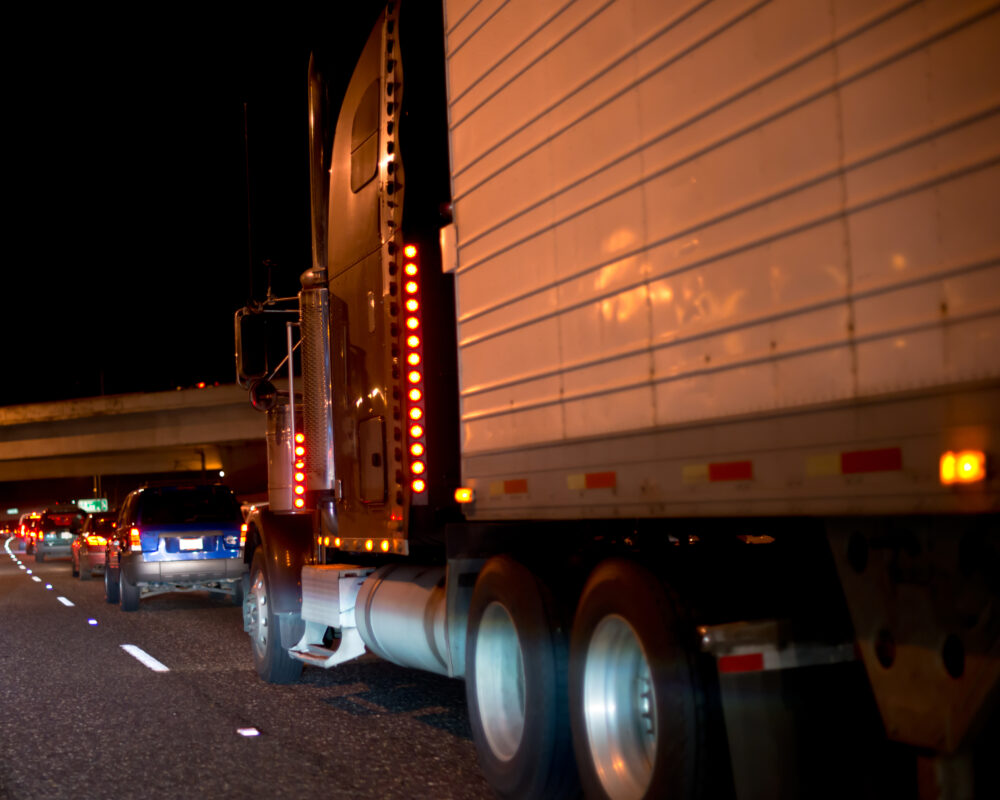
Short answer: anyone who drives. Long answer: especially those who spend more time on the road than at home:
- OTR commercial drivers (your cab is your castle until a Ford Focus ignores your blind spot)
- Long-haul truckers
- Tanker, heavy-load, oversize, and refrigerated freight haulers
- Off-roaders and overlanders who think cell service is optional
Basically, if you drive where “nearest hospital” and “nearest Starbucks” aren’t in the same sentence, you’re the target audience.
The Hard Truth
Here’s the ugly part: if you don’t prepare, you’re betting your life and your passengers’ lives on luck. And luck doesn’t stop bleeding.
The Vehicle Trauma Kit is not about feeling safe—it’s about being safe. If you think you’ll rise to the occasion without training and tools, you won’t. Stress turns brains into soup. Gear buys time. Training buys confidence. Both together keep you alive until sirens arrive.
Final Word
MPA built the Vehicle Trauma Kit for the moments that nobody wants to think about—but everybody driving should. It’s not sexy, it’s not fun, and you’ll probably never brag about it at a truck stop. But when it’s needed, it’s the only thing standing between “roadside inconvenience” and “closed-casket funeral.”